
Post-dated cheque as the name implies is a cheque that carries a later date. Primarily, there three parties to a cheque, drawer – who draws the cheque on his bank account, payee – to whom the cheque is payable, i.e. the beneficiary, and drawee – the bank. The other parties involved in the case of cheques are endorser – the one transferring his right for payment to another, and endorsee – the one to whom the right is conferred. In this article, you will get to know the difference between stale cheque and post-dated cheque. Checks stamped Frozen Account cannot be re-deposited – a new item is required from the account holder.
- When a payer pays through a check, the payee must present it to the bank before a specific time before it becomes stale.
- One option is to reach out to the issuer of the check and request a new check or alternative means of payment.
- This can be done by sending a friendly reminder or making a phone call.
- With $0 minimum to open online and Low Cash Mode® to help avoid overdrafts.
- Some banks may, however, also check with the payer before dishonoring the check.
How long is a check good for?
It may seem silly to urge a payee to cash a check, but it will save you https://www.mamografi.com/deposits-vs-retainers-are-they-refundable/ administrative and accounting time and hassle down the road. A stale check is a check that has been outstanding for an unreasonable time. A check may be outstanding for more than six months and a bank may under its discretion refuse to honor such a check. When a check becomes stale-dated, different actions are typically required depending on whether you are the payee or the payer. If you are the payee, contact the check issuer to request a new one. Banks are not obligated to honor checks presented after the typical six-month window, so attempting to deposit it might result in the check being returned unpaid.
- By tracking transactions in real time, AI reduces the likelihood of outdated payments being recorded or cleared.
- In legal terms, ‘stale’ refers to something that is no longer fresh or relevant, like an outdated claim or evidence that is too old to be considered valid in court.
- This will help you keep track of outstanding checks and avoid any confusion or disputes.
- Place a stop payment order on the original check to prevent it from being cashed.
- If you find an old traveler’s check, you can always cash it in with the issuer or spend it wherever it’s accepted.
- Your bank can advise you on their specific policies regarding stale-dated checks and whether they might attempt to process it.
What happens if we cash the stale check?
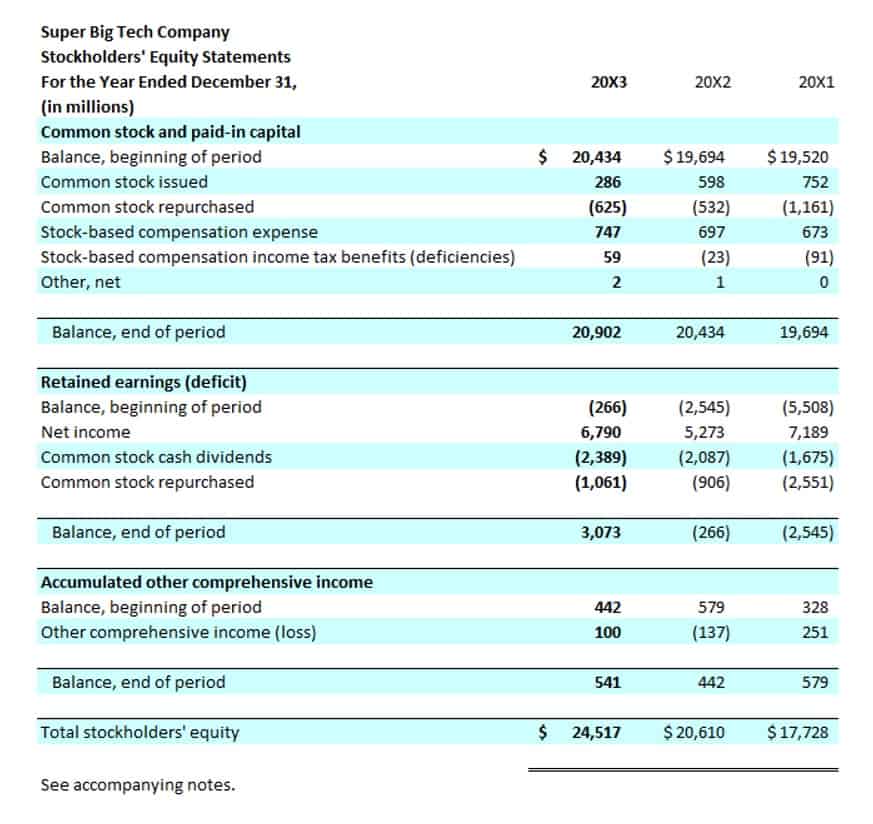
If a check has a stop payment order, you’ll be unable to cash or deposit it. The report only includes stale-dated checks that are eligible for reissue, and any new stale-dated checks are added from the retained earnings prior quarter. Understanding the concept of staleness is essential for anyone involved in legal matters. It highlights the importance of acting within appropriate timeframes and keeping records up to date. Whether you are filing a claim, presenting evidence, or entering into a contract, being aware of the potential for staleness can help you protect your rights and interests. Treasury (a federal tax refund, for example) are good for 12 months after the date they’re issued.
How to Prevent Any Trouble With The Stale Check?
Letters should alert the owner of your obligation to turn over the property to the state. The Routing Number is a 9-digit number located between the Transit Symbols at the bottom of a valid U.S. check. Routing Number Results are Updated Daily from the eRoutingNumber™ Database.

Certain checks may have shorter expiration periods, such as 180 days (six months) or even 90 days (three months), after which some banks may decline to process them. Every business owner should recognize that if their vendors or partners do not deposit checks, those funds do not remain with the business. A stale check is owned by the recipient or the state, leaving the business without additional funds.
What is a stale-dated check?
For the check issuer, understanding this guideline helps manage outstanding liabilities and reconcile accounts. Stale dated checks are typically issued by businesses, such as banks, to give customers a specific time frame to deposit their checks before they become stale dated meaning invalid. Business owners or accountants may come across stale checks they misplaced or forgot to cash. Reach out to the issuer; most companies will issue new checks even if the old ones are expired. It is not uncommon for businesses to delay depositing or cashing a check, particularly if the amount is relatively small. However, business owners need to know that certified checks expire and can become stale if not deposited or cashed within a certain timeframe.

This can be particularly effective if the check was for a specific purpose, such as payment for services rendered, and the issuer is willing to honor their obligation. A returned check is one that has been declined to be honored by a bank. Allowing too much time to elapse can increase the chances of a returned check. Stale checks are uncashed checks that have been issued for at least a length of time 180 days from the issue date.
For most personal and business checks, this period is typically six months from the date written on the check. After this timeframe, a bank is generally not obligated to honor it. This practice is rooted in the Uniform Commercial Code (UCC) Section 4-404.